
Sinus Lift in Wakad – Upper Jaw Bone Augmentation for Dental Implants at Patil's Dental Care
Home / Sinus Lift
Sinus lift (sinus augmentation) in Wakad is performed at Patil's Dental Care by Dr. Mangesh Kadu Patil. When upper jaw bone near the back molars lacks sufficient height for implants due to proximity of the sinus floor, a sinus lift raises the sinus membrane and places bone graft material to create adequate implant depth.
What Is a Sinus Lift and When Is It Needed?
The maxillary sinuses are air-filled cavities in the skull, located just above and behind the upper back teeth (the molars and premolars in the upper jaw). The floor of the sinus sits in close proximity to the roots of these teeth and in many people there is very little bone between the sinus floor and the area where an implant would need to be placed.

When a person loses upper back teeth, two things happen: the jawbone begins to resorb (shrink) and the sinus tends to expand downward into the space vacated by the tooth roots - a process called sinus pneumatisation. The combined effect is that after years of tooth loss, there may be as little as 3-4mm of usable bone below the sinus - not enough for a standard dental implant (which typically needs 10-12mm of bone height).
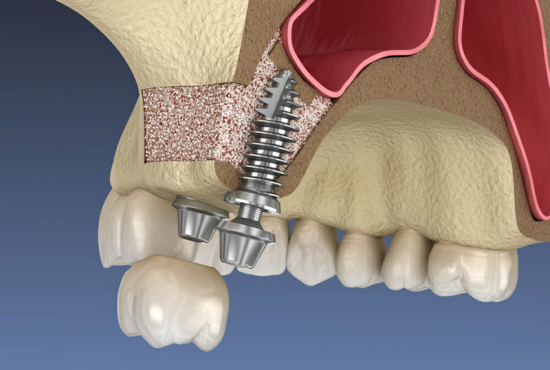
A sinus lift, or sinus augmentation, solves this problem. The procedure lifts the floor of the sinus upward and places bone graft material in the newly created space between the elevated sinus membrane and the existing jawbone. As this graft heals (over 6-9 months), it becomes part of the patient's own jawbone, providing the height and volume needed for implant placement.
At Patil's Dental Care in Wakad, sinus lifts are performed by Dr. Mangesh Kadu Patil as an integral part of the implant treatment plan for upper jaw cases where bone height is insufficient.
Types of Sinus Lift Procedures
Lateral Window Sinus Lift (Open Approach)
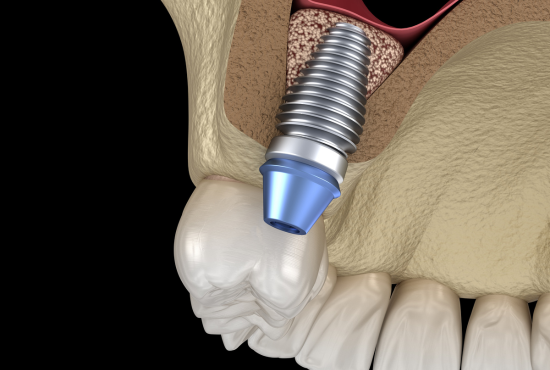
The traditional approach involves creating a small window in the lateral (side) wall of the upper jaw, carefully elevating the sinus membrane and packing bone graft material into the sinus floor. This technique allows the surgeon full visual access and the ability to place a large volume of graft material. It is used when significant bone height gain (more than 4mm) is needed and is typically performed as a staged procedure - the graft heals first, then implants are placed 6-9 months later.
Crestal (Transcrestal) Sinus Lift
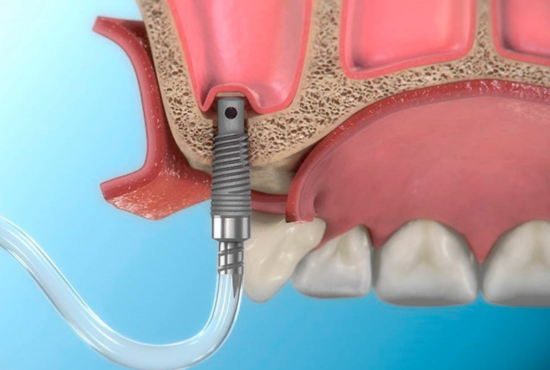
For cases requiring less bone height gain (2-4mm), a less invasive approach can be used through the same site as the implant preparation. Specialised osteotomes or drills gently elevate the sinus floor from below without creating a lateral window. This technique has a faster healing time and can sometimes be combined with simultaneous implant placement. It is suitable for patients with moderate bone loss and an intact, mobile sinus membrane.
The Sinus Lift Procedure: What Patients Experience
A sinus lift at Patil's Dental Care is performed under local anaesthesia in the clinic, without general anaesthesia. The area is thoroughly numbed before any instruments are used.
For a lateral window sinus lift, the procedure takes approximately 60-90 minutes. The patient feels pressure and vibration during the bone window creation but should not feel pain. After the graft is packed and the site is sutured, the patient leaves with a prescription for pain relief and antibiotics. Post-operative care instructions include no nose-blowing, no sneezing with the nose closed (to prevent disrupting the elevated sinus membrane) and sleeping with the head slightly elevated.
Swelling and minor discomfort for 3-5 days is normal. Most patients find the recovery manageable and less uncomfortable than anticipated. Follow-up appointments monitor healing. Implants are typically placed 6-9 months after a lateral approach sinus lift .
Are There Risks with Sinus Lift Surgery?
Sinus lift is a safe, well-established procedure with a long track record in implant dentistry. The main risk is perforation of the sinus membrane during elevation - this is managed intraoperatively and, in most cases, repaired without affecting the outcome. Infection of the grafted site (sinusitis) is uncommon but is managed with antibiotics if it occurs.
Patients with active sinus infections, uncontrolled nasal allergies, or certain anatomical variations may need specialised assessment before a sinus lift is planned. Dr. Patil evaluates all relevant factors before recommending the procedure.