
Wisdom Tooth Extraction in Wakad – Expert Surgical Removal at Patil's Dental Care
Home / Wisdom Tooth Extraction
Wisdom tooth extraction in Wakad is performed at Patil's Dental Care by Dr. Mangesh Kadu Patil. Both simple and surgical removal of impacted wisdom teeth is available under local anaesthesia. Most young adults in Wakad require extraction when wisdom teeth are impacted, infected, or causing crowding.
Why Wisdom Teeth Cause Problems: What's Actually Happening in Your Jaw
Wisdom teeth - the third molars - are the last teeth to erupt, usually appearing between the ages of 17 and 25. Human jaws have evolved to be smaller over time and most people simply do not have enough space at the back of the mouth for all four wisdom teeth to emerge normally. The result is impaction: the wisdom tooth gets stuck - partially or fully - under the gum or against the second molar.
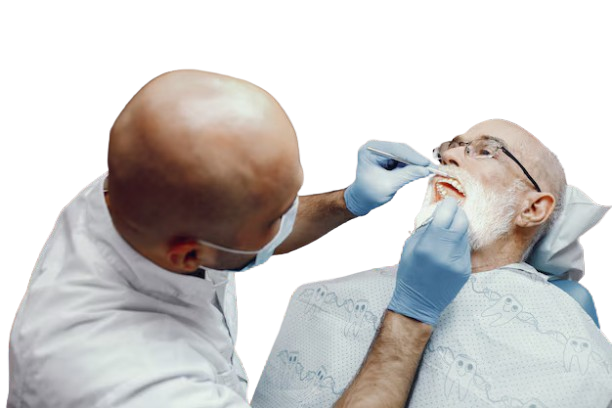
This causes a cascade of problems. An impacted wisdom tooth that is partially erupted creates a flap of gum tissue (operculum) that traps food and bacteria underneath, leading to a recurring infection called pericoronitis - characterised by jaw pain, swelling, difficulty opening the mouth and sometimes fever. Even if no acute infection develops, a partially erupted wisdom tooth is nearly impossible to clean properly and frequently develops decay, which can also affect the adjacent second molar.
Fully impacted wisdom teeth (completely under the bone) may cause pressure pain, push against neighbouring teeth, or develop a cyst around the follicle. In Wakad, most patients presenting with jaw pain between ages 18-25 are eventually found to have an impacted or problematic wisdom tooth on X-ray.

Simple vs. Surgical Wisdom Tooth Extraction: Which Do You Need?
A wisdom tooth that has fully erupted and has normal root anatomy can sometimes be removed as a straightforward simple extraction - similar to removing any other tooth. More commonly, however, wisdom teeth require a surgical approach, especially when they are impacted.
Surgical wisdom tooth extraction at Patil's Dental Care in Wakad involves: administration of local anaesthesia to fully numb the area; a small incision in the gum tissue to expose the tooth and bone; removal of any bone overlying the impacted tooth (osteotomy) using a surgical drill if necessary; sectioning the wisdom tooth into pieces for easier removal if the roots are divergent or deeply embedded; removal of tooth fragments; cleaning and irrigation of the socket; and closure of the surgical site with dissolvable sutures.
This sounds complex, but in experienced hands it is a controlled, predictable procedure. Most surgical wisdom tooth extractions at Patil's Dental Care take 20-45 minutes per tooth. Patients are awake throughout, comfortable under local anaesthesia and leave the clinic the same day with post-operative instructions and medication.
What to Expect After Wisdom Tooth Extraction in Wakad
The first 72 hours after wisdom tooth extraction involve the most active healing. Swelling is normal and often peaks at 48-72 hours before gradually subsiding. Some bruising on the jaw or cheek may also appear, particularly after more complex surgical extractions.
Pain is managed with prescribed analgesics and anti-inflammatories. Most patients find the post-extraction discomfort quite manageable and are back to normal activities within 3-5 days. Diet should be soft for the first week. Smoking must be completely avoided for at least 72 hours, as it dramatically increases the risk of dry socket.

Sutures (if non-dissolvable ones were used) are typically removed 7 days later at a follow-up appointment. Dr. Patil checks the healing socket at this visit and addresses any concerns.
Patients from Hinjewadi, Pimple Saudagar, Rahatani and other nearby localities regularly come to Patil's Dental Care specifically for wisdom tooth extraction , having heard from local residents and colleagues about Dr. Patil's careful, thorough approach to surgical cases.
Should All Wisdom Teeth Be Removed?
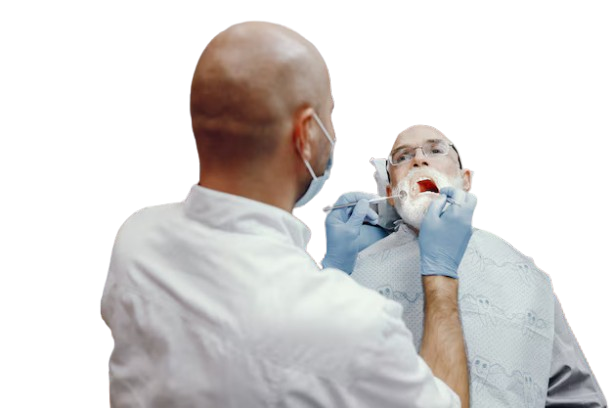
Not necessarily. A wisdom tooth that has fully erupted in a normal position, can be properly cleaned and is not causing any problems may not need extraction. The decision depends on: the degree of impaction, the angle of the tooth, the amount of available space, evidence of infection or decay, effect on adjacent teeth and the patient's ability to maintain hygiene in that area.
If in doubt, an OPG (panoramic X-ray) gives a clear picture of all four wisdom teeth and their relationship to the surrounding structures. Dr. Patil can review this with you and give a clear recommendation - extract now, monitor, or leave alone.