
Teeth Whitening in Wakad – Professional Chair-Side Bleaching at Patil's Dental Care
Home / Teeth Whitening
Professional teeth whitening in Wakad is available at Patil's Dental Care by Dr. Mangesh Kadu Patil. Chair-side bleaching with clinically approved agents lightens teeth by multiple shades in a single appointment. Results are safe, effective and longer-lasting than at-home whitening products.


Why Do Teeth Stain and Is Whitening Safe?
Tooth discolouration is one of the most common cosmetic dental concerns and it is also one of the most easily addressed. Before reaching for whitening strips from a pharmacy or ordering a kit online, it is worth understanding what causes staining and which type of discolouration responds to whitening - because not all of it does.
Extrinsic staining sits on the outer surface of the enamel and is caused by food, drinks and habits: coffee, tea, red wine, turmeric, beetroot and tobacco are the biggest culprits for the Wakad population. This type of staining responds very well to professional whitening.
Intrinsic staining is within the tooth structure itself - caused by certain antibiotics (particularly tetracycline taken during childhood when teeth are still forming), fluorosis (overexposure to fluoride during tooth development), or internal tooth changes after trauma or RCT. Intrinsic staining does not respond fully to bleaching alone and may need to be addressed with veneers or composite bonding.
Professional teeth whitening at Patil's Dental Care uses clinical-grade hydrogen peroxide or carbamide peroxide in concentrations that are safe for supervised dental use. The procedure does not damage enamel when performed correctly and as directed. It is important to note that whitening agents do not lighten crowns, veneers, or tooth-coloured fillings - only natural tooth enamel.
How Professional Teeth Whitening Works at Patil's Dental Care in Wakad
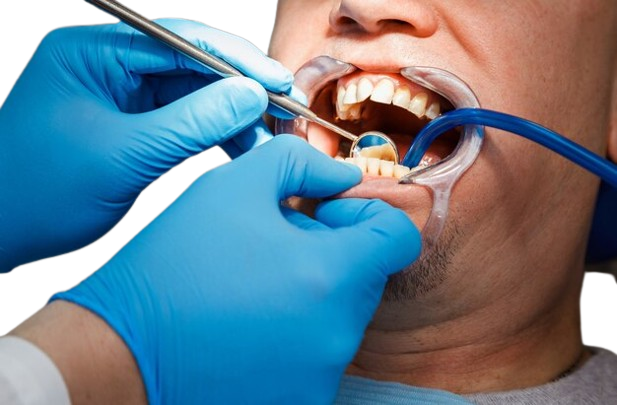
The in-clinic (chair-side) whitening procedure at Patil's Dental Care is straightforward. It begins with a short clinical examination to check the health of the teeth and gums - whitening should not be done on teeth with active cavities or inflamed gums.
A protective barrier (dam) is placed over the gums to protect the soft tissue before the whitening gel is applied. The bleaching agent - a professional-grade peroxide solution - is applied to the tooth surfaces and activated. Depending on the whitening system used, the gel is refreshed and reapplied in 15-20 minute increments. A typical whitening session takes about 60-90 minutes.
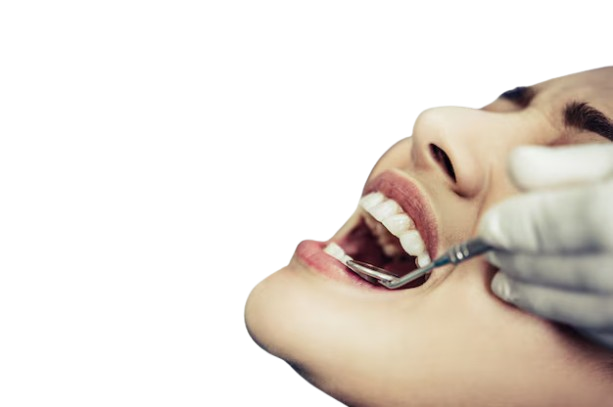
Results vary depending on the degree and type of original staining. Most patients see teeth lighten by 4-8 shades after a single session. Patients with heavy coffee or tea staining often see dramatic results; those with mild natural yellowness see moderate but still noticeable improvement.
After the procedure, patients are given whitening aftercare instructions - avoiding strongly pigmented foods and drinks for 24-48 hours and maintaining results with good brushing technique and regular dental cleanings. Touch-up whitening sessions every 6-12 months help sustain the brightness.

At-Home Whitening vs. Professional Whitening: What's the Real Difference?
This is a fair question. Pharmacy whitening strips and at-home kits are widely available and often heavily marketed. The key differences are:Concentration: Professional whitening gels used in a dental clinic are significantly stronger than over-the-counter products, leading to faster and more noticeable results.
Customisation: Professional whitening accounts for the condition of your teeth, existing restorations and sensitivity levels. One-size-fits-all OTC products do not.
Safety: Improper use of whitening agents - applying them to teeth with existing cavities, using too high a concentration for too long, or allowing the gel to contact inflamed gums - can cause sensitivity, burns, or enamel damage. Professional supervision eliminates these risks.
Longevity: Clinical whitening results, when maintained properly, last 1-3 years. Most OTC products deliver shorter-duration, shallower results.
For patients in Wakad who want meaningful, lasting, safe whitening, professional treatment at Patil's Dental Care is the clearly superior option.
Teeth Whitening and Sensitivity: What Patients Ask Most
Sensitivity during or after whitening is the most common concern. The whitening agent temporarily opens microscopic pores in the enamel, which can cause a "zingy" sensitivity to cold or temperature changes. This is normal, temporary and typically resolves within 24-48 hours.
For patients with pre-existing dentine sensitivity, Dr. Patil often recommends using a desensitising toothpaste for two weeks before whitening and may use a milder whitening protocol with breaks between gel applications. The vast majority of patients tolerate professional whitening without significant discomfort.